How a Theatre-Based Diversity, Equity, and Inclusion (DEI) Program Helped Senior Leaders Build an Inclusive Workplace Culture Across a Leading NBFC
Client Overview :
In today’s evolving business landscape, Diversity, Equity, and Inclusion (DEI) have become strategic priorities for organizations seeking to build high-performing, innovative, and sustainable workplaces. Organizations that foster inclusive cultures are better positioned to attract talent, improve employee engagement, strengthen decision-making, and drive long-term business success.
A leading Non-Banking Financial Company (NBFC) approached Aarvi Learning Solutions with a critical organizational objective. The company wanted to strengthen awareness and understanding of Diversity, Equity, and Inclusion among its senior leadership team and create a culture where decisions were made objectively, collaboration was encouraged across diverse groups, and unconscious biases were minimized.
The organization recognized that senior leaders play a pivotal role in shaping workplace culture. Their decisions influence hiring practices, promotions, employee engagement, team dynamics, and overall organizational effectiveness.
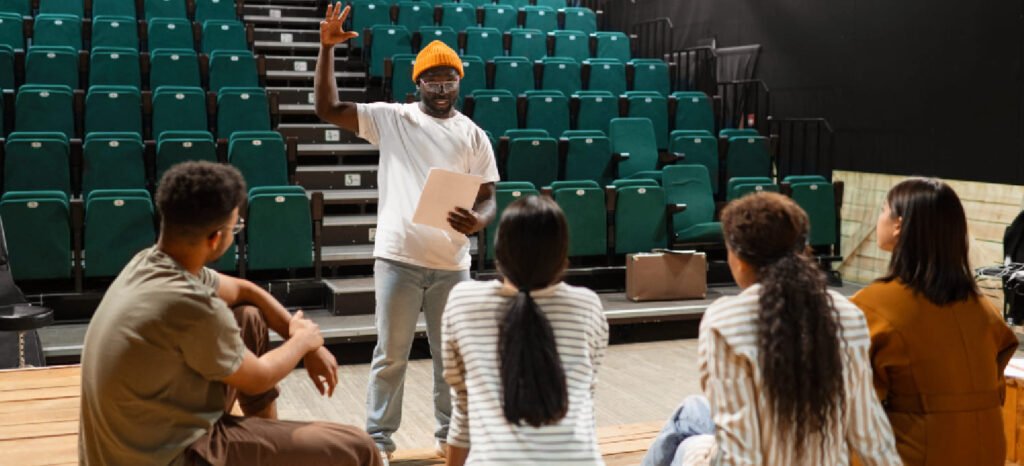
To support this cultural transformation initiative, Aarvi Learning Solutions designed and delivered a highly engaging Theatre-Based Diversity, Equity, and Inclusion Workshop for senior management teams across India.
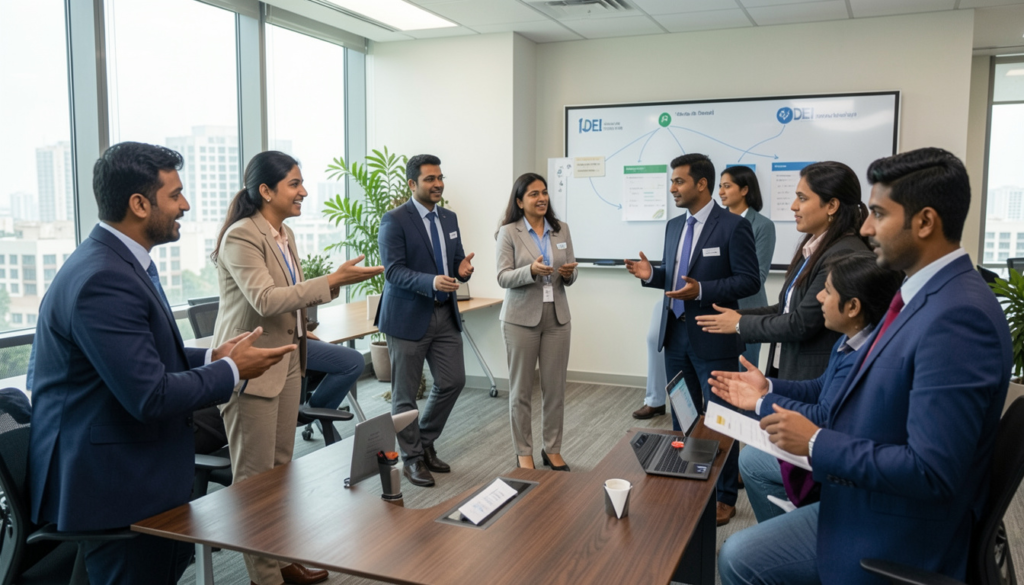
The intervention was conducted through 12 physical workshops across multiple locations, with approximately 30 senior leaders per batch, enabling consistent learning experiences across the organization.
The objective was not simply to educate leaders about DEI concepts. The goal was to help them recognize workplace biases, understand the value of diverse perspectives, and develop more inclusive leadership behaviors that could positively influence organizational culture.
The Business Challenge :
The financial services industry operates in an increasingly diverse environment involving employees, customers, stakeholders, and communities from different backgrounds, experiences, generations, cultures, and perspectives.
As organizations grow and expand geographically, leaders often face challenges related to:
- Unconscious bias in workplace decisions.
- Limited awareness of inclusion barriers.
- Difficulty managing diverse teams effectively.
- Unintentional exclusion of certain employee groups.
- Assumptions based on background, gender, age, experience, or personal preferences.
- Challenges in creating psychologically safe workplaces.
- Lack of structured conversations around inclusion and belonging.
The client recognized that while many leaders supported the concept of diversity, there was a need to move beyond awareness and develop practical understanding.
The organization wanted senior leaders to:
- Recognize unconscious biases.
- Understand how bias affects workplace decisions.
- Improve collaboration with diverse teams.
- Foster inclusive leadership behaviors.
- Create fair and objective decision-making processes.
- Build an environment where all employees feel respected and valued.
Traditional awareness programs often fail to create meaningful behavioral change. Therefore, the organization sought an experiential and emotionally engaging learning intervention that would encourage reflection, discussion, and practical application.
Why Theatre-Based learning for Diversity, Equity, and Inclusion?
Diversity, Equity, and Inclusion challenges are fundamentally human-centered challenges.
Creating inclusive workplaces requires leaders to understand different perspectives, challenge assumptions, empathize with others, and develop solutions that support fairness and belonging.
This is where Theatre-Based learning becomes highly relevant.
Theatre-Based learning encourages participants to:
- Develop empathy.
- Understand different experiences and perspectives.
- Challenge assumptions and biases.
- Explore multiple viewpoints.
- Create people-centered solutions.
- Make more informed and inclusive decisions.
By integrating Theatre-Based learning principles into the DEI learning experience, participants learned how to view workplace situations from perspectives different from their own.
The approach encouraged curiosity rather than judgment and helped leaders develop greater awareness of how their behaviors, decisions, and assumptions influence workplace inclusion.
The combination of theatre-based learning created a powerful platform for reflection, discussion, and behavioral transformation.
Training Intervention
Aarvi Learning Solutions designed a customized Diversity, Equity, and Inclusion program specifically for senior management professionals within the NBFC sector.
The workshop utilized a unique blend of:
- Theatre-Based Learning.
- Experiential Learning.
- Design Thinking Principles.
- Facilitated Reflection.
- Group Discussions.
- Workplace Scenarios.
- Inclusive Leadership Practices.
The intervention was delivered through 12 physical workshops across India, ensuring consistent messaging and learning outcomes throughout the organization.
The program was carefully designed to address real workplace situations that leaders encounter in their daily roles.
Rather than relying on lectures and presentations, the workshop encouraged participants to experience, observe, analyze, and discuss behaviors that influence workplace inclusion.
Workshop Activities
The workshop incorporated several highly interactive and engaging activities designed to promote awareness and behavioral change.
Theatre-Based Workplace Scenarios
Professional actors performed realistic workplace situations involving:
- Hiring decisions.
- Team collaboration challenges.
- Leadership interactions.
- Performance evaluations.
- Workplace communication.
- Employee engagement scenarios.
Participants observed behaviors, assumptions, and decisions that influenced inclusion and belonging.
The theatre format created emotional engagement and helped leaders recognize situations that often go unnoticed in everyday workplace interactions.
Bias Recognition Exercises
Participants explored different forms of workplace bias, including:
- Unconscious bias.
- Affinity bias.
- Confirmation bias.
- Gender bias.
- Age bias.
- Cultural bias.
- Similarity bias.
Through facilitated discussions and activities, leaders gained awareness of how biases can influence judgment and decision-making.
Many participants discovered that bias is often unintentional but can still have significant organizational consequences.
Empathy Mapping Activities
Using Design Thinking techniques, participants explored workplace experiences from the perspective of different employee groups.
The exercises encouraged leaders to consider:
- What employees experience.
- How workplace interactions affect belonging.
- Barriers to participation and inclusion.
- Emotional impacts of exclusion.
These activities strengthened empathy and encouraged more people-centered leadership behaviors.
Inclusive Leadership Discussions
Participants examined leadership behaviors that contribute to inclusive workplaces.
Topics included:
- Active listening.
- Encouraging diverse viewpoints.
- Building psychological safety.
- Inclusive decision-making.
- Respectful communication.
- Creating equitable opportunities.
The discussions helped leaders identify practical actions they could implement within their teams.
Group Reflection Sessions
Facilitated reflection exercises encouraged participants to:
- Examine personal assumptions.
- Reflect on past decisions.
- Identify opportunities for improvement.
- Develop greater self-awareness.
These conversations often generated powerful insights and meaningful learning moments.
Workplace Decision-Making Simulations
Participants worked through realistic workplace scenarios involving:
- Recruitment decisions.
- Promotion discussions.
- Team assignments.
- Conflict resolution.
- Talent management situations.
The simulations highlighted how objective and inclusive decision-making contributes to stronger business outcomes.
Action Planning Exercises
Participants developed practical action plans focused on:
- Reducing workplace bias.
- Increasing inclusion.
- Supporting diverse teams.
- Strengthening leadership effectiveness.
The goal was to ensure that workshop learning translated into measurable workplace behaviors.
Learning Outcomes
The workshop delivered several valuable learning outcomes for participants.
Increased Awareness of Workplace Biases
Participants developed a stronger understanding of unconscious and conscious biases that influence workplace interactions and decisions.
Improved Ability to Identify Bias
Leaders learned how to recognize bias in recruitment, performance management, communication, and leadership practices.
Better Understanding of Diversity and Inclusion
Participants gained practical insights into the value of diverse perspectives and inclusive workplace cultures.
Enhanced Collaboration with Diverse Teams
The workshop helped leaders understand how to work effectively with individuals from different backgrounds, experiences, and viewpoints.
More Objective Decision-Making
Participants learned how to challenge assumptions and make decisions based on facts, performance, and business needs rather than personal preferences.
Increased Empathy and Self-Awareness
The program encouraged reflection and strengthened participants’ understanding of how their actions influence others.
Stronger Inclusive Leadership Capabilities
Leaders gained practical strategies for creating more inclusive and equitable workplace environments.
Business Impact
The benefits of the intervention extended beyond individual learning outcomes.
Stronger Inclusion Culture
The organization strengthened awareness of inclusion across senior leadership teams.
Improved Leadership Effectiveness
Leaders became more conscious of how their behaviors influence team dynamics and employee experiences.
Better Collaboration Across Diverse Teams
The workshop encouraged leaders to leverage diverse perspectives and experiences when solving problems and making decisions.
Enhanced Employee Experience
Inclusive leadership practices contribute to stronger employee engagement, trust, and belonging.
More Objective Talent Decisions
Participants became better equipped to evaluate performance, potential, and talent opportunities fairly and objectively.
Greater Organizational Consistency
Conducting workshops across multiple locations helped create a shared understanding of DEI principles throughout the organization.
Support for Long-Term Cultural Transformation
The program reinforced the organization’s commitment to creating an equitable and inclusive workplace culture
Why the Program Worked
Several factors contributed to the success of the initiative.
Theatre-Based Learning
Theatre created emotional engagement and helped participants connect with workplace situations on a deeper level.
Realistic Workplace Scenarios
The examples reflected challenges leaders encounter in their everyday roles.
Design Thinking Approach
The focus on empathy and understanding multiple perspectives encouraged meaningful reflection and learning.
Interactive Learning Experience
Participants actively engaged in discussions, simulations, and exercises rather than passively receiving information.
Leadership-Focused Content
The workshop addressed the specific responsibilities and challenges faced by senior leaders.
Nationwide Consistency
The delivery of 12 workshops across India ensured a consistent organizational message regarding DEI expectations and behaviors.
Conclusion
Creating an inclusive workplace requires more than policies and awareness campaigns. It requires leaders who understand the impact of bias, appreciate diverse perspectives, and actively foster environments where all employees can contribute and succeed.
Through Aarvi Learning Solutions’ Theatre-Based Diversity, Equity, and Inclusion Program, senior leaders within a leading NBFC developed greater awareness of workplace biases, strengthened inclusive leadership capabilities, and improved their ability to make objective decisions.
The combination of theatre-based learning, Design Thinking principles, experiential activities, and reflective discussions created a powerful learning experience that encouraged meaningful behavioral change.
As a result, the organization strengthened its commitment to diversity, equity, and inclusion while building leadership capabilities that support long-term cultural transformation and business success.
About Aarvi Learning Solutions
Aarvi Learning Solutions specializes in Diversity, Equity & Inclusion Training, Theatre-Based Learning, Leadership Development, Cultural Transformation Programs, Behavioral Skills Training, Design Thinking Workshops, Team Effectiveness Programs, and Corporate Learning Solutions.
We partner with organizations to create inclusive cultures, develop effective leaders, strengthen workplace behaviors, and drive sustainable organizational change through engaging and impactful learning experiences.
Our customized interventions are designed to create measurable business outcomes while supporting employee growth, collaboration, and organizational excellence.
Contact Aarvi Learning Solutions
Looking to build a more inclusive workplace, strengthen leadership effectiveness, and create a culture where diversity thrives?
Aarvi Learning Solutions offers customized Diversity, Equity & Inclusion Programs, Theatre-Based Learning Workshops, Leadership Development Solutions, Cultural Transformation Initiatives, and Behavioral Skills Training designed to help organizations achieve meaningful and sustainable change.
Connect with our team today to discover how we can help your leaders foster inclusion, reduce bias, and create high-performing workplaces where every employee has the opportunity to succeed.