Manufacturing Process Improvement Workshop Case Study
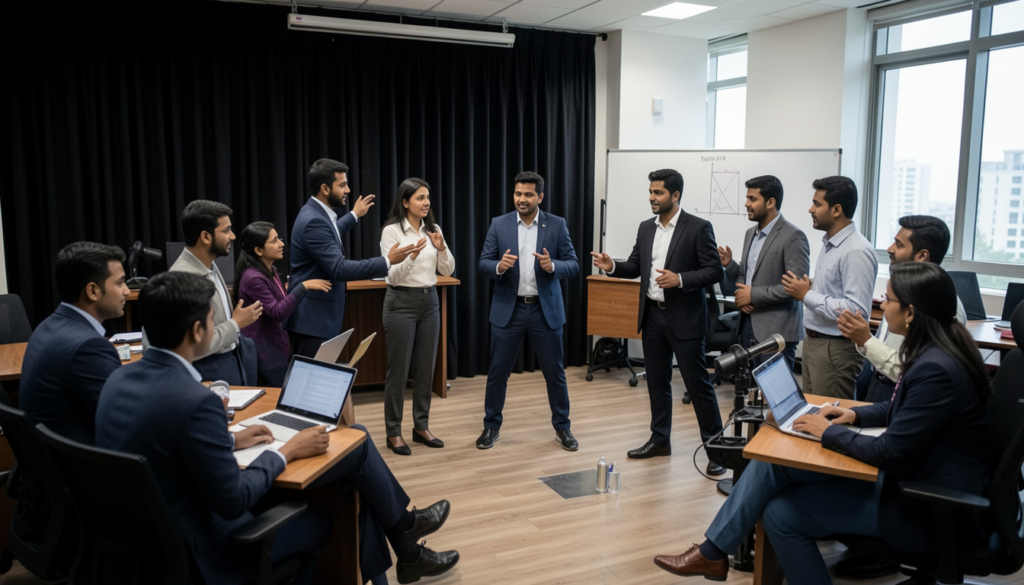
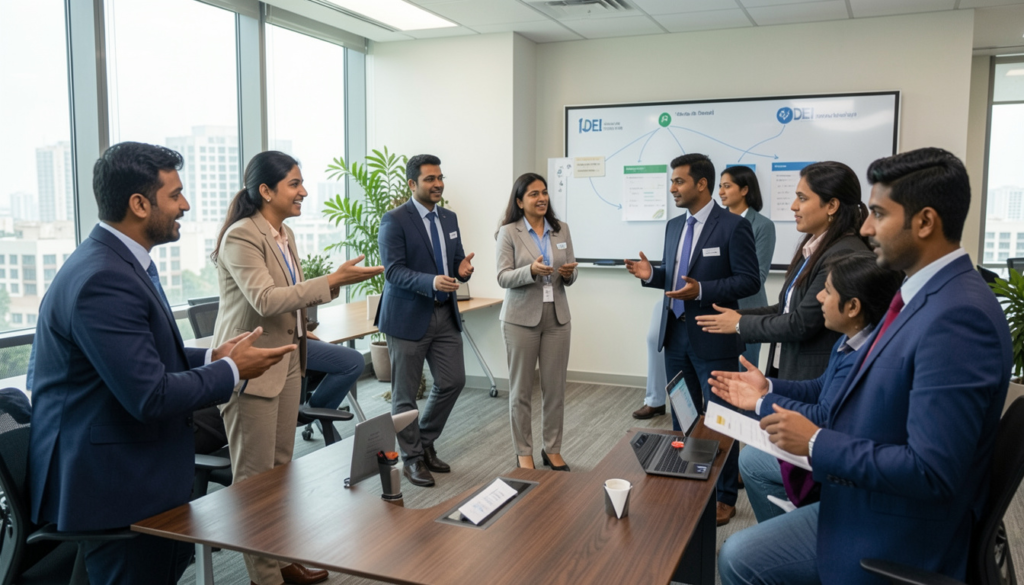
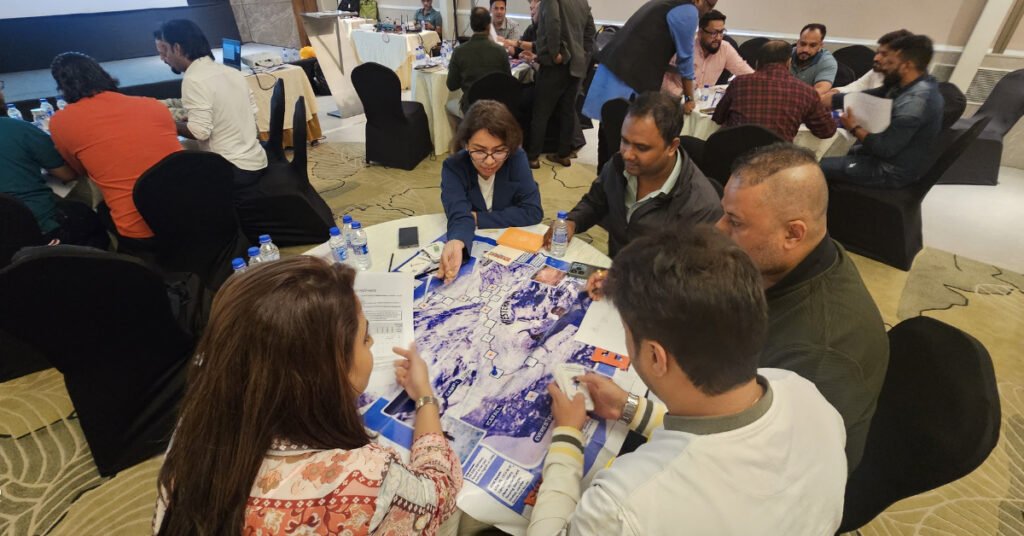
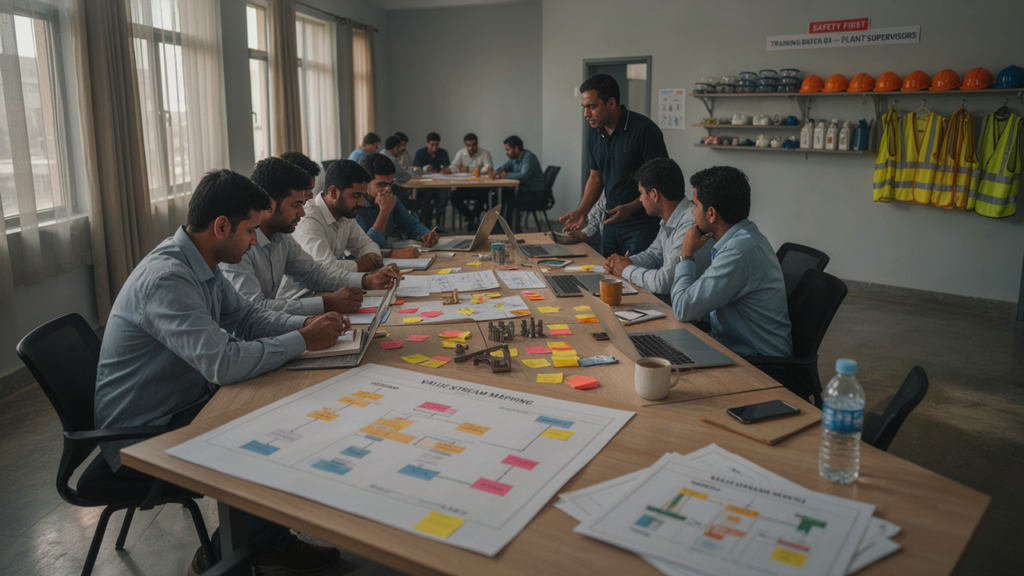
How a Manufacturing Process Improvement Workshop Helped Plant Leaders Reduce Errors, Minimize Waste, and Improve Operational Efficiency Client Overview : In today’s competitive manufacturing environment, organizations face constant pressure to improve quality, reduce operational costs, eliminate waste, and enhance productivity. Even minor process inefficiencies can result in significant financial losses, production delays, customer dissatisfaction, and quality issues. A leading manufacturing organization approached Aarvi Learning Solutions with a strategic learning and development requirement: strengthen the capabilities of its Heads of Departments (HODs) and Plant Managers to identify process inefficiencies, reduce errors, and elevate manufacturing performance. The leadership team recognized that sustainable operational excellence requires more than advanced machinery and technology. It requires managers who understand process variation, quality improvement methodologies, waste elimination techniques, and defect prevention strategies. To address these objectives, Aarvi Learning Solutions designed and delivered a customized Manufacturing Process Improvement Workshop for 20–25 HODs and plant leaders through an intensive, on-site classroom learning intervention. The workshop focused on helping participants understand the root causes of defects, identify process waste, improve process consistency, and develop practical strategies for enhancing manufacturing efficiency and quality performance. The ultimate goal was to foster a culture of continuous improvement that supports long-term operational excellence and business growth. The Business Challenge : The manufacturing sector faces ever-increasing demands for quality, productivity, cost efficiency, and customer satisfaction. The client organization was experiencing several operational challenges common to growing manufacturing businesses: Variations in process performance Quality defects and frequent rework Operational inefficiencies and bottlenecks Waste generation across core processes Inconsistent execution of standard manufacturing procedures Difficulty identifying root causes of recurring issues Limited awareness of systematic defect prevention methods Leadership Priorities Although the managers possessed strong operational experience, the organization wanted them to adopt a more structured, analytical approach to process improvement. Key priorities included: Improving overall product quality Reducing defects and rework Enhancing process efficiency and throughput Minimizing operational waste Improving decision-making using data and process analysis Strengthening cross-departmental continuous improvement capabilities Training Intervention Aarvi Learning Solutions designed a tailored workshop specifically for HODs and Plant Managers, integrating concepts from multiple industry-standard operational excellence frameworks: Core Domain Key Methodologies & Focus Areas Lean Manufacturing & Waste Reduction Identifying and eliminating the 7 wastes (Muda), value stream alignment, and motion economy. Quality & Defect Prevention Standard Operating Procedures (SOPs), error-proofing (Poka-Yoke), and quality assurance frameworks. Problem Solving & RCA 5-Whys, Cause-and-Effect (Fishbone/Ishikawa) diagrams, and systematic issue decomposition. Statistical & Continuous Improvement Process variation analysis (common vs. special cause), Kaizen mindset, and Design Thinking. Workshop Activities & Curriculum Modules The interactive curriculum utilized hands-on exercises and simulations to embed core concepts: Understanding Process Efficiency: Explored the pillars of efficient workflows, common drivers of inefficiency, the compounding financial impact of defects, and the relationship between quality and operational performance. Identifying Sources of Errors and Defects: Analyzed root sources of failure across human error, equipment malfunction, material variance, communication gaps, and procedural weaknesses through real-life case studies. Understanding Process Variation: Examined common cause vs. special cause variation, statistical consistency, and practical methods for monitoring and mitigating process variability. Waste Identification Exercises: Applied Lean principles to recognize the 7 classic forms of waste (Overproduction, Waiting, Transportation, Excess Inventory, Motion, Overprocessing, and Rework) across daily plant operations. Root Cause Analysis (RCA) Drills: Practiced structured problem-solving tools to diagnose underlying process breakdowns rather than treating surface symptoms. Process Mapping & Observation: Mapped workflow steps visually to isolate bottlenecks, eliminate non-value-added tasks, and re-engineer production flow. Defect Prevention Strategies: Shifted focus from inspection to proactive prevention through poka-yoke, process standardization, and continuous quality monitoring. Continuous Improvement Simulations: Worked in cross-functional teams to solve dynamic manufacturing challenges using data-driven decision-making and creative innovation. Key Learning Outcomes & Business Impact Learning Outcome Direct Business Impact Defect Prediction & Control Reduced manufacturing error rates and minimized rework across key product lines. Waste Elimination Skills Improved operational efficiency, optimized cycle times, and better resource utilization. Variation Management Enhanced product consistency and sustained adherence to rigorous quality standards. Structured RCA Competence Lower Cost of Poor Quality (COPQ) and permanent resolution of recurring bottlenecks. Continuous Improvement Mindset Strengthened cross-functional collaboration and proactive operational leadership. Why the Program Succeeded Practical Manufacturing Focus: Content directly anchored in shop-floor realities rather than generic corporate theory. Interactive, Simulation-Based Learning: Hands-on drills ensured deep engagement and high retention. Integrated Methodologies: Blended Lean, statistical analysis, and Design Thinking into a unified, actionable toolkit. Immediate Shop-Floor Deployment: Participants created actionable implementation roadmaps for their own departments. Conclusion Operational excellence requires manufacturers to continuously identify improvement opportunities, eliminate waste, and tighten process control. Through Aarvi Learning Solutions’ Manufacturing Process Improvement Workshop, HODs and Plant Managers gained the capabilities required to predict, prevent, and control defects at the source. By equipping plant leadership with a shared continuous improvement mindset and structured analytical tools, the client organization strengthened its operational performance, lowered quality costs, and positioned itself for scalable, long-term excellence. About Aarvi Learning Solutions Aarvi Learning Solutions specializes in Manufacturing Excellence Training, Lean Manufacturing Workshops, Quality Improvement Programs, Leadership Development, Continuous Improvement Initiatives, and Corporate Learning Solutions. We partner with organizations to build high-performing teams, optimize operational effectiveness, and drive measurable business results. Contact Aarvi Learning Solutions Looking to reduce manufacturing errors, eliminate operational waste, and strengthen process capability across your plants? Connect with our team today to design a customized training intervention tailored to your business objectives.