How a Theatre-Based Conflict Management Workshop Helped Department Heads Improve Collaboration and Resolve Interdepartmental Conflicts
Client Overview :
In modern organizations, departments are increasingly interconnected. Functions such as Operations, Finance, Human Resources, Sales, Marketing, Procurement, Production, Quality, and Customer Service must work together to achieve organizational goals. While this interdependence drives business performance, it can also create misunderstandings, competing priorities, communication gaps, and conflicts between departments.
A leading organization recognized that interdepartmental conflicts were affecting collaboration, decision-making, and operational efficiency. The leadership team understood that while healthy debates can lead to innovation and better decisions, unresolved conflicts can damage relationships, reduce productivity, and create barriers to achieving business objectives.
To address this challenge, the organization partnered with Aarvi Learning Solutions to design and deliver a specialized Theatre-Based Interdepartmental Conflict Management Workshop for Heads of Departments (HODs) and senior functional leaders.
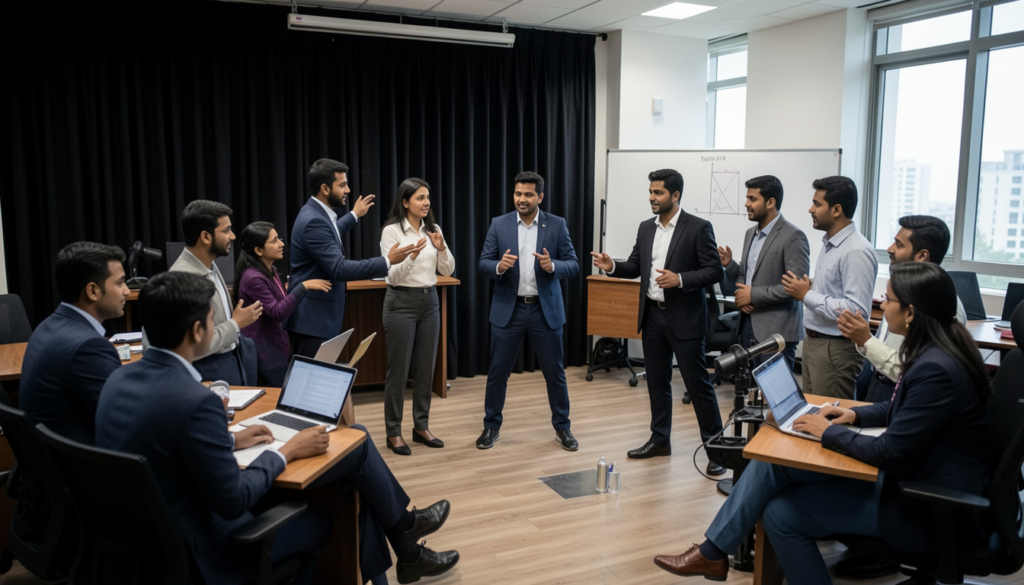
The program was conducted in a physical workshop format for 15–20 department heads, bringing together leaders responsible for managing key business functions.
The objective was to help participants understand the root causes of conflict, recognize the emotional factors that influence workplace disagreements, develop empathy for different perspectives, and learn practical conflict-resolution strategies.
Through a combination of theatre-based learning, Design Thinking principles, experiential activities, and facilitated discussions, participants gained valuable insights into how conflicts emerge and how leaders can transform disagreements into opportunities for collaboration and growth.
The result was a highly engaging intervention that strengthened relationships between departments and improved the organization’s ability to achieve shared goals.
The Business Challenge :
Interdepartmental conflict is one of the most common challenges faced by growing organizations.
Departments often have different priorities, objectives, performance metrics, and perspectives. While these differences are natural, they can sometimes lead to misunderstandings and tension.
The client identified several recurring challenges:
- Communication breakdowns between departments.
- Conflicting priorities and goals.
- Delays caused by lack of coordination.
- Frustration arising from dependency on other teams.
- Emotional reactions during discussions and meetings.
- Difficulty understanding the perspectives of other functions.
- Reduced collaboration across departments.
- Challenges achieving organizational alignment.
The leadership team recognized that these conflicts were not necessarily caused by poor intentions. In many cases, departments were working hard to achieve their own objectives but lacked understanding of how their decisions affected others.
The organization wanted department heads to:
- Understand the emotional drivers of conflict.
- Improve collaboration across functions.
- Develop stronger interpersonal relationships.
- Learn practical conflict-resolution techniques.
- Increase empathy and perspective-taking.
- Focus on common organizational goals.
Rather than addressing conflict through policy changes alone, the organization wanted leaders to develop the behavioral skills needed to manage disagreements constructively
Why Design Thinking for Conflict Management?
Conflict often arises when people focus solely on their own perspective.
Successful conflict resolution requires individuals to understand different viewpoints, explore underlying needs, and identify solutions that create value for all stakeholders.
This is where Design Thinking becomes highly relevant.
Design Thinking encourages participants to:
- Develop empathy.
- Understand stakeholder experiences.
- Explore multiple perspectives.
- Challenge assumptions.
- Collaborate on solutions.
- Focus on shared outcomes.
By applying Design Thinking principles to conflict management, participants learned to move beyond positions and focus on interests, needs, and organizational objectives.
The approach encouraged leaders to view conflict as a problem-solving opportunity rather than a personal disagreement.
Design Thinking also helped participants recognize that sustainable conflict resolution requires understanding people, emotions, and relationships—not just processes and policies.
The combination of Design Thinking and theatre-based learning created a powerful environment for behavioral change and leadership development.
Training Intervention
Aarvi Learning Solutions designed a customized Interdepartmental Conflict Management Workshop specifically for Heads of Departments and senior leaders.
The workshop combined:
- Theatre-Based Learning.
- Design Thinking Principles.
- Conflict Management Frameworks.
- Experiential Learning Activities.
- Leadership Reflection Exercises.
- Role Plays and Simulations.
- Group Discussions.
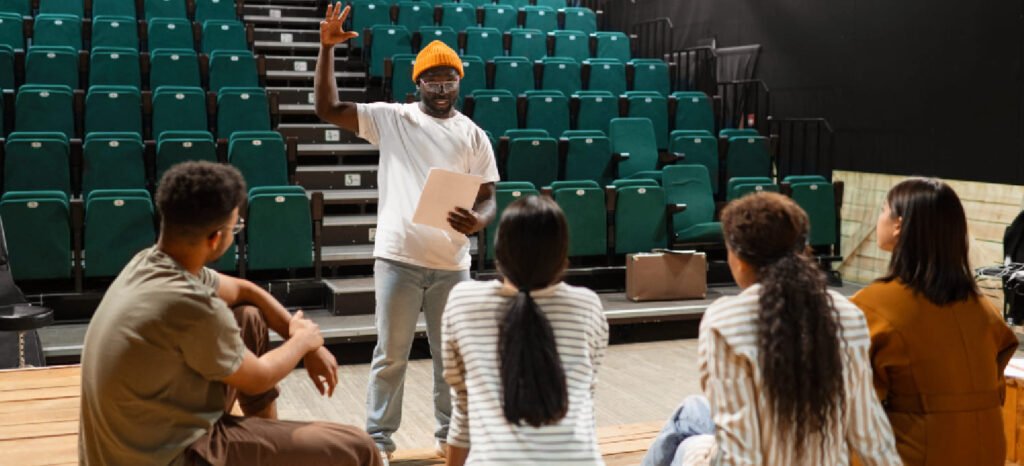
The theatre-based approach was selected because it enables participants to observe workplace behaviors in realistic situations without feeling personally targeted.
Professional actors portrayed workplace conflicts that mirrored real organizational challenges.
Participants observed interactions, analyzed behaviors, discussed consequences, and explored alternative approaches.
The program created a safe environment where leaders could openly examine workplace conflicts and develop practical strategies for improving collaboration.
Workshop Activities
The workshop incorporated a variety of engaging activities designed to deepen understanding and promote practical application.
Theatre-Based Conflict Scenarios
Professional actors performed realistic workplace situations involving:
- Resource allocation disputes.
- Communication breakdowns.
- Project delays.
- Accountability conflicts.
- Cross-functional disagreements.
- Leadership misunderstandings.
Participants observed how conflicts evolved and analyzed the behaviors that escalated or reduced tensions.
The theatre format created emotional engagement and encouraged objective discussion.
Understanding the Nature of Conflict
The workshop explored:
- What causes workplace conflict.
- Types of organizational conflict.
- Constructive versus destructive conflict.
- Common conflict triggers.
- Impact of unresolved conflict.
Participants learned that conflict is not inherently negative and can often lead to better solutions when managed effectively.
Emotional Awareness Exercises
One of the most impactful sections focused on emotions and their influence on workplace interactions.
Participants explored:
- Emotional triggers.
- Stress responses.
- Defensive behaviors.
- Emotional intelligence.
- Self-awareness.
The activities helped leaders recognize how emotions influence decision-making, communication, and conflict escalation.
Perspective-Taking Activities
Using Design Thinking methodologies, participants explored workplace situations from multiple viewpoints.
They considered:
- What each stakeholder experiences.
- Why different departments think differently.
- Operational pressures faced by other teams.
- Shared organizational objectives.
These exercises increased empathy and improved understanding across functions.
Conflict Resolution Simulations
Participants worked through realistic business situations involving:
- Competing priorities.
- Limited resources.
- Customer commitments.
- Operational challenges.
- Organizational constraints.
Teams practiced applying structured conflict-resolution strategies while balancing departmental and organizational needs.
Active Listening and Communication Exercises
Communication plays a critical role in conflict management.
Participants learned techniques for:
- Active listening.
- Clarifying assumptions.
- Asking effective questions.
- Managing difficult conversations.
- Delivering constructive feedback.
Role plays demonstrated how improved communication reduces misunderstandings and strengthens relationships.
Collaborative Problem-Solving Activities
Participants engaged in exercises that required departments to work together toward common objectives.
The activities highlighted:
- Interdependence.
- Shared accountability.
- Cross-functional collaboration.
- Joint decision-making.
The experience reinforced the value of cooperation over competition.
Reflection and Action Planning
Participants reflected on:
- Personal conflict-management styles.
- Workplace relationship challenges.
- Opportunities for collaboration.
- Leadership responsibilities.
Each participant developed an action plan for improving relationships and conflict management within their organization.
Learning Outcomes
The workshop delivered several valuable learning outcomes for participants.
Increased Awareness of Emotional Drivers
Participants gained a deeper understanding of how emotions influence workplace conflicts and leadership behavior.
Improved Ability to Recognize Conflict Triggers
Leaders learned to identify situations that commonly lead to misunderstandings and disagreements.
Enhanced Perspective-Taking Skills
The workshop helped participants appreciate different viewpoints and understand the challenges faced by other departments.
Stronger Conflict Resolution Capabilities
Participants learned practical strategies for managing disagreements constructively and professionally.
Improved Communication Skills
The program strengthened active listening, questioning, and feedback skills that support effective conflict management.
Better Collaboration Across Departments
Leaders gained tools for building stronger relationships and improving cooperation across functions.
Increased Emotional Intelligence
Participants became more aware of their own emotional responses and learned techniques for managing them effectively.
Greater Focus on Common Goals
The workshop encouraged leaders to prioritize organizational success over departmental silos.
Business Impact
The benefits of the intervention extended far beyond the workshop itself.
Improved Cross-Functional Relationships
Department heads developed stronger professional relationships and greater mutual understanding.
Reduced Workplace Tensions
The workshop provided leaders with practical techniques for preventing and resolving conflicts before they escalated.
Enhanced Collaboration
Departments became more effective at working together toward shared business objectives.
Better Decision-Making
Improved communication and understanding contributed to more informed and balanced decisions.
Increased Organizational Alignment
Leaders developed greater awareness of how their actions affect other functions and the organization as a whole.
Improved Operational Efficiency
Reduced conflict and stronger collaboration supported smoother execution of projects and business processes.
Stronger Leadership Effectiveness
Participants strengthened critical leadership capabilities related to communication, emotional intelligence, and relationship management.
Why the Program Worked
Several factors contributed to the success of the workshop.
Theatre-Based Learning
Theatre brought workplace conflicts to life and allowed participants to observe behaviors in realistic situations.
Design Thinking Methodology
The focus on empathy and perspective-taking encouraged deeper understanding and collaboration.
Practical Workplace Relevance
The scenarios reflected challenges participants regularly encountered in their professional roles.
Interactive Learning Experience
Participants actively engaged in discussions, simulations, reflections, and problem-solving activities.
Safe Learning Environment
The workshop created a space where leaders could openly discuss challenges without blame or judgment.
Focus on Behavioral Change
The program emphasized practical actions and leadership behaviors rather than theoretical concepts alone.
Conclusion :
Interdepartmental conflict is a natural part of organizational life, but when managed effectively, it can become a catalyst for innovation, collaboration, and better decision-making.
Through Aarvi Learning Solutions’ Theatre-Based Conflict Management Workshop, department heads developed greater emotional awareness, strengthened conflict-resolution capabilities, improved communication skills, and enhanced collaboration across functions.
The combination of theatre-based learning, Design Thinking principles, experiential exercises, and leadership reflection created meaningful learning experiences that translated into workplace improvements.
As a result, the organization strengthened relationships between departments, improved organizational alignment, and reinforced a culture of collaboration focused on achieving common business goals.
This case study demonstrates how targeted conflict management training can help leaders transform workplace disagreements into opportunities for stronger teamwork and organizational success.
Contact Aarvi Learning Solutions :
Looking to improve collaboration, strengthen cross-functional relationships, and help leaders manage workplace conflicts more effectively?
Aarvi Learning Solutions offers customized Conflict Management Workshops, Theatre-Based Learning Programs, Leadership Development Solutions, Emotional Intelligence Training, and Team Collaboration Initiatives designed to help organizations build stronger relationships and achieve better business results.
Connect with our team today to discover how we can help your leaders transform conflict into collaboration and create a workplace culture focused on trust, teamwork, and shared success.